
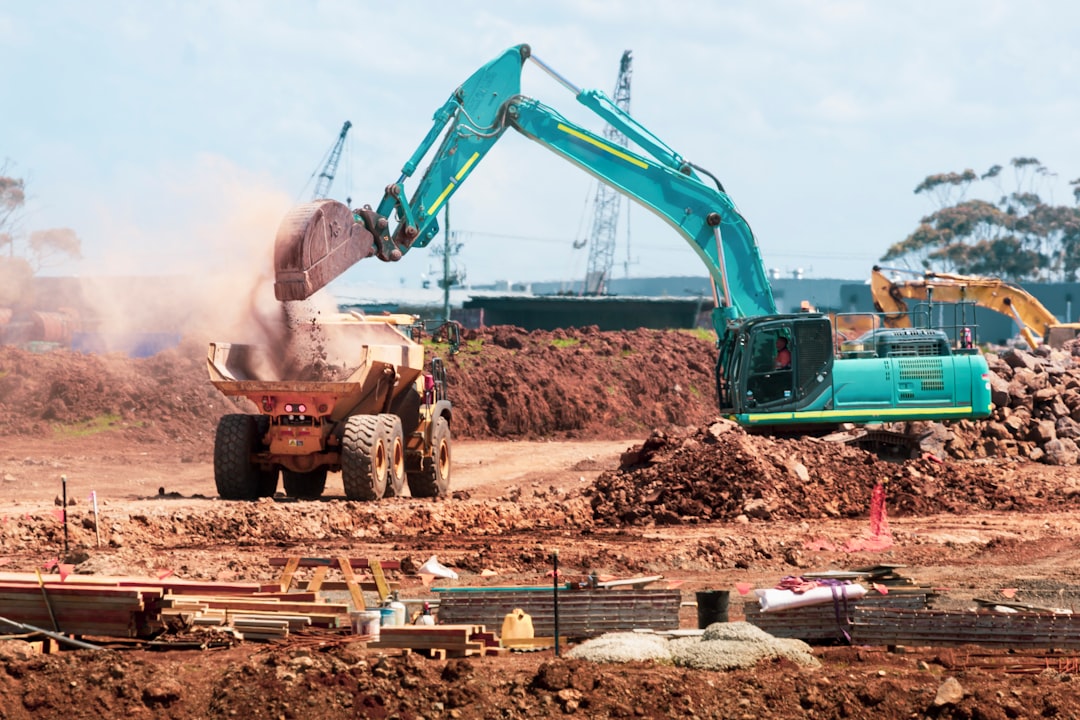
Building a Strong Foundation: Key Principles of Construction Management
In the ever-evolving landscape of construction, effective management is crucial for the success of any project. Understanding the key principles of construction management can significantly enhance project outcomes, ensuring that projects are completed on time, within budget, and to the required quality standards. This article delves into essential aspects such as project planning, change order management, and stakeholder communication, providing insights that can help you build a strong foundation for your construction endeavors.
Project Planning and Scheduling
Effective project planning and scheduling are the cornerstones of successful construction management. A well-structured plan outlines the project scope, timelines, and resource allocation, ensuring that all team members are aligned with the project goals. By utilizing tools such as Gantt charts and critical path analysis, project managers can visualize the project timeline and identify potential bottlenecks early on, allowing for proactive adjustments to keep the project on track.
Moreover, a detailed schedule not only helps in managing time but also in optimizing resource utilization. By clearly defining tasks and deadlines, teams can work more efficiently, reducing downtime and increasing productivity. Regularly updating the schedule and communicating changes to all stakeholders is essential to maintain transparency and accountability throughout the project lifecycle.
Change Order Management
Change orders are an inevitable part of construction projects, often arising from unforeseen circumstances or evolving client needs. Effective change order management is critical to minimize disruptions and maintain project momentum. Establishing a clear process for handling change orders, including documentation and approval workflows, can help mitigate risks associated with scope changes.
By proactively managing change orders, project managers can ensure that all stakeholders are informed and that adjustments are made in a timely manner. This not only helps in maintaining project schedules but also in controlling costs, as unplanned changes can lead to budget overruns if not managed properly. A robust change order management system fosters collaboration and trust among team members, ultimately contributing to project success.
Contract Administration and Management
Contract administration is a vital aspect of construction management that involves overseeing the execution of contracts and ensuring compliance with legal and regulatory requirements. A well-managed contract lays the groundwork for successful project delivery, outlining the responsibilities of all parties involved. By maintaining clear communication and documentation, project managers can effectively manage expectations and resolve disputes that may arise during the project.
Furthermore, effective contract management includes monitoring performance against contract terms, ensuring that all deliverables are met on time and within budget. Regular reviews and audits of contract compliance can help identify potential issues early on, allowing for corrective actions to be taken before they escalate. This proactive approach not only safeguards the project but also enhances relationships with clients and subcontractors.
Stakeholder Communication and Reporting
Clear and consistent communication with stakeholders is essential for successful construction management. Stakeholders, including clients, contractors, and regulatory bodies, must be kept informed of project progress, challenges, and changes. Establishing a communication plan that outlines the frequency and methods of communication can help ensure that all parties are aligned and engaged throughout the project.
In addition to regular updates, effective reporting is crucial for transparency and accountability. Utilizing project management software can streamline reporting processes, providing stakeholders with real-time access to project data and performance metrics. This not only fosters trust but also enables informed decision-making, ultimately leading to better project outcomes.
Budget Management and Cost Control
Budget management and cost control are critical components of construction management that directly impact project viability. Developing a comprehensive budget that accounts for all project costs, including labor, materials, and overhead, is essential for financial success. By closely monitoring expenditures and comparing them against the budget, project managers can identify variances and take corrective actions as needed.
Implementing cost control measures, such as regular financial reviews and forecasting, can help prevent budget overruns and ensure that funds are allocated efficiently. Additionally, fostering a culture of cost awareness among team members can lead to more prudent spending and resource utilization, ultimately contributing to the project’s bottom line.
Risk Assessment and Mitigation
Risk assessment and mitigation are integral to effective construction management, as they help identify potential threats to project success. By conducting a thorough risk analysis at the outset of the project, managers can develop strategies to mitigate identified risks, ensuring that contingency plans are in place. This proactive approach not only minimizes disruptions but also enhances overall project resilience.
Regularly reviewing and updating the risk management plan throughout the project lifecycle is essential to adapt to changing circumstances. Engaging team members in the risk management process fosters a culture of awareness and accountability, empowering them to identify and address potential issues before they escalate. This collaborative approach to risk management ultimately leads to more successful project outcomes.
Quality Assurance and Safety Compliance
Quality assurance and safety compliance are paramount in construction management, ensuring that projects meet industry standards and regulations. Implementing a robust quality assurance program helps maintain high standards throughout the project, from planning to execution. Regular inspections and audits can help identify areas for improvement and ensure that all work meets the required specifications.
Safety compliance is equally important, as it protects the well-being of workers and minimizes the risk of accidents on-site. Establishing a comprehensive safety plan that includes training, protocols, and regular safety audits can help create a safe working environment. By prioritizing quality and safety, project managers can enhance their reputation and build trust with clients and stakeholders.