The Future of Construction Management: Trends to Watch in the Industry
As the construction industry evolves, staying ahead of emerging trends is crucial for success. The future of construction management is being shaped by advancements in technology, changing regulations, and the increasing need for sustainability. Understanding these trends can help businesses adapt and thrive in a competitive environment.
Embracing Technology in Construction
Technology is revolutionizing the construction industry, with tools like Building Information Modeling (BIM) and project management software becoming essential. These technologies enhance collaboration among stakeholders, streamline workflows, and improve project outcomes. By adopting these tools, construction managers can ensure that projects are completed on time and within budget.
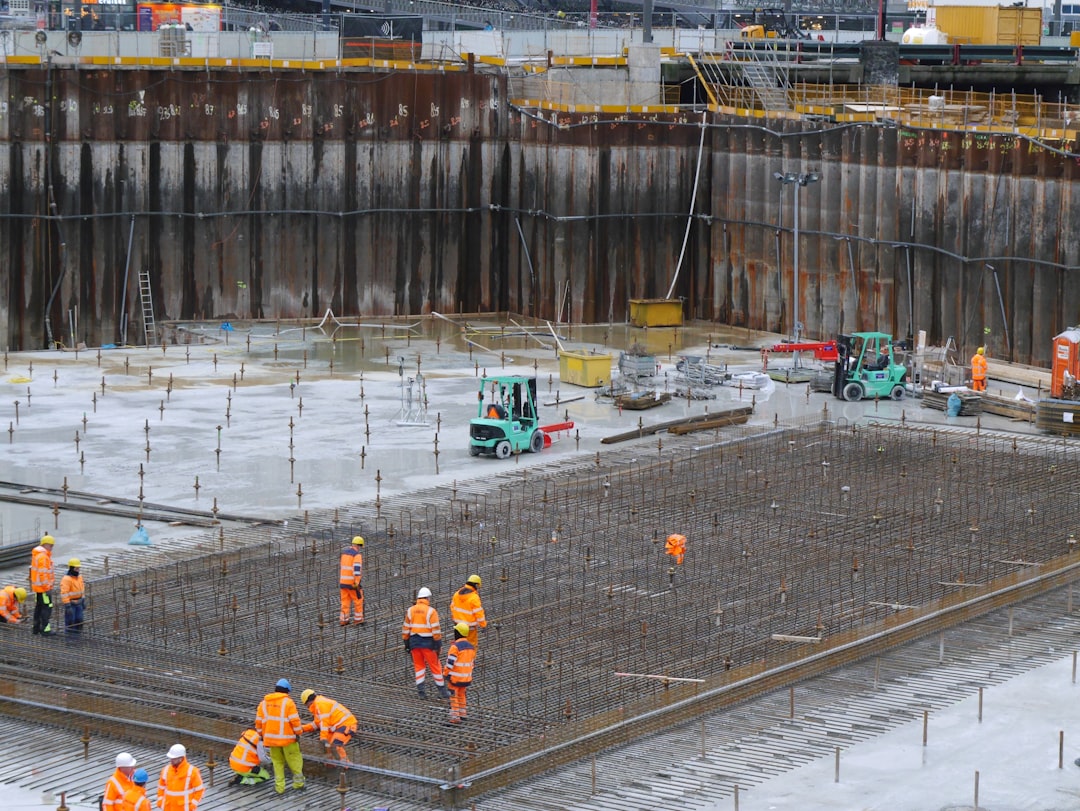
Moreover, the integration of drones and IoT devices allows for real-time monitoring of construction sites. This not only increases efficiency but also enhances safety by identifying potential hazards before they become issues. As technology continues to advance, construction managers must remain open to new tools that can improve their processes and outcomes.
Focus on Sustainability
Sustainability is no longer just a trend; it is becoming a standard expectation in the construction industry. Clients are increasingly looking for eco-friendly building practices and materials that minimize environmental impact. By prioritizing sustainability, construction managers can attract a broader client base and contribute to a healthier planet.
Implementing sustainable practices can also lead to cost savings in the long run. Energy-efficient buildings reduce utility costs, while sustainable materials often have longer lifespans. By educating clients on the benefits of sustainable construction, managers can position themselves as leaders in this vital area.
Enhanced Risk Management
Risk assessment and mitigation are critical components of successful construction management. As projects become more complex, the potential for risks increases. Construction managers must develop robust risk management strategies that identify potential issues early and outline clear mitigation plans.
Utilizing data analytics can significantly enhance risk management efforts. By analyzing past project data, managers can identify patterns and foresee potential challenges. This proactive approach not only minimizes disruptions but also builds trust with stakeholders who appreciate transparency and preparedness.
Improved Stakeholder Communication
Effective communication among stakeholders is essential for project success. As projects involve multiple parties, from contractors to clients, clear communication channels must be established. Utilizing project management tools that facilitate communication can help keep everyone informed and engaged throughout the project lifecycle.
Regular updates and reports can enhance stakeholder confidence and ensure that all parties are aligned with project goals. By fostering an environment of open communication, construction managers can mitigate misunderstandings and promote collaboration, leading to more successful project outcomes.
Future Workforce Development
The construction industry faces a significant skills gap, making workforce development a critical focus for the future. As technology evolves, the demand for skilled workers who can operate advanced tools and systems will increase. Construction managers must invest in training and development programs to equip their teams with the necessary skills.
Moreover, attracting younger talent to the industry is essential for long-term sustainability. By promoting the benefits of a career in construction and offering mentorship programs, companies can build a strong workforce that is prepared to meet future challenges. Emphasizing the importance of continuous learning will ensure that the industry remains competitive and innovative.
Step-by-step plan:
Step 1: Assess current technology and identify areas for improvement. Step 2: Develop a sustainability strategy that aligns with client expectations. Step 3: Implement a robust risk management framework for all projects. Step 4: Foster open communication among all stakeholders to enhance collaboration.